
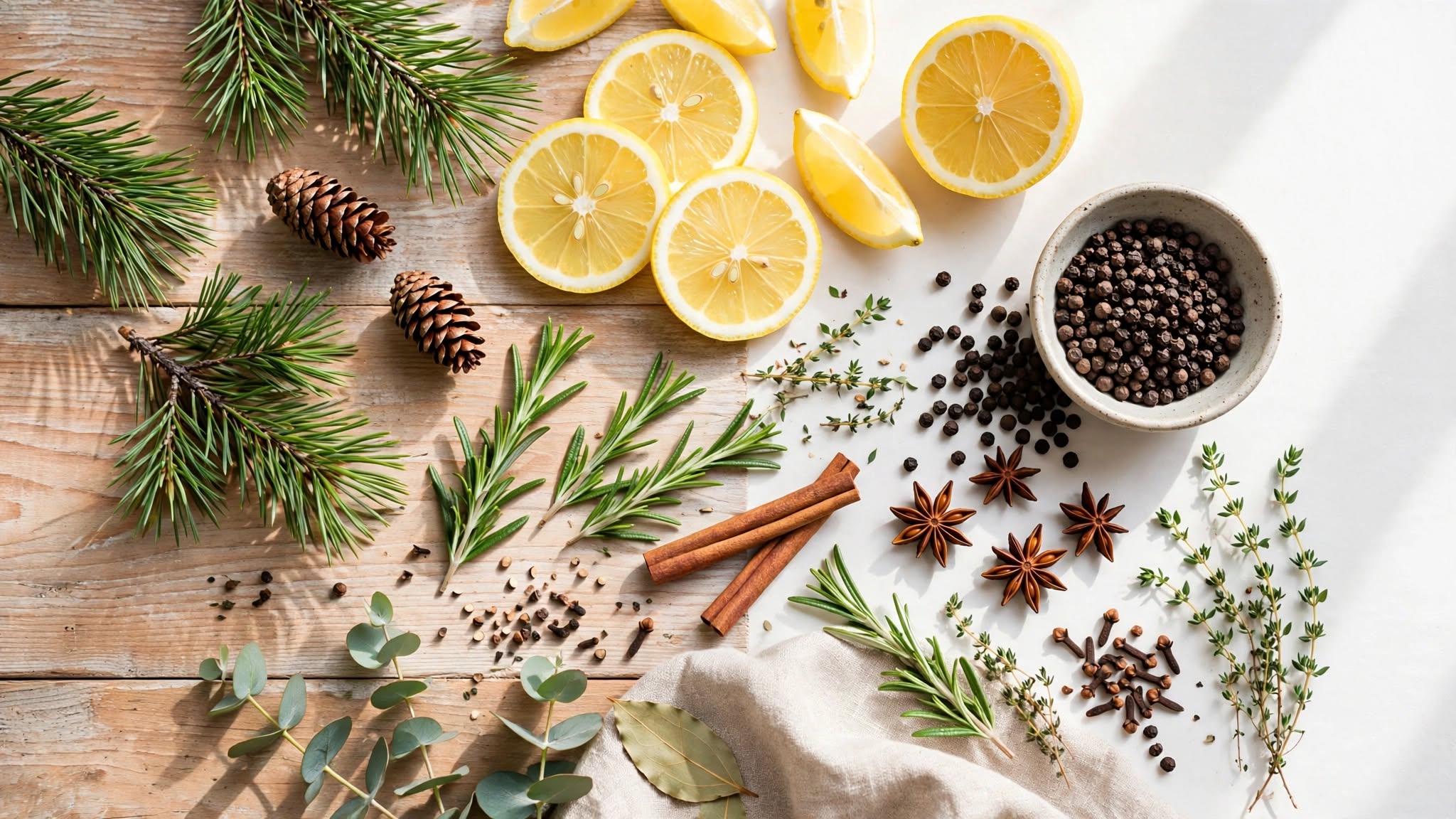
Why Does Cannabis Smell Like Lemon, Pine or Pepper? A Guide to Strain Aroma
Why one strain smells like lemon and another smells like fuel
Open a cannabis menu and you may see descriptions that sound more like a fruit market or a spice cupboard than a plant catalogue. One strain is described as citrusy, another as piney, peppery, earthy, sweet or diesel-like. That raises a natural question: why does cannabis smell different from one product to another?
Much of the answer comes down to terpenes, the aromatic compounds found in many plants. Cannabis also contains cannabinoids and a wide range of other compounds that contribute to its overall chemical profile. Genetics influence which compounds a plant can produce, while cultivation, curing and storage affect how much of that aroma remains in the finished flower.
Aroma can make comparing products more interesting, but it is not a reliable measure of potency or a guarantee of effects. This guide explains the science in straightforward language and shows how to use aroma descriptions when reviewing a current DC cannabis menu.
What are terpenes?
Terpenes are naturally occurring compounds responsible for many familiar plant aromas. They help give pine trees their fresh scent, citrus peel its bright smell and some herbs their distinctive fragrance. Cannabis plants can produce a variety of terpenes, and different cultivars may have different combinations and relative amounts.
Commonly discussed cannabis terpenes include myrcene, limonene, pinene, caryophyllene, linalool and terpinolene.
These names appear on some product descriptions or lab reports, but not every menu lists terpene results. If a terpene profile is not supplied, a flavour description should be treated as a general impression rather than a laboratory-confirmed breakdown.
Limonene: citrus-like notes
Limonene is associated with citrus aromas, including lemon and orange peel. A product described as lemony or bright may have an aroma profile that consumers associate with citrus compounds, but the word “lemon” alone does not confirm a particular terpene concentration.
Pinene: fresh, woody notes
Pinene is found in pine trees and other plants. It is often associated with pine-like or woody aromas. Again, a product that smells like a forest is not necessarily high in pinene unless reliable product-specific information supports that conclusion.
Caryophyllene: pepper and spice
Caryophyllene is commonly associated with peppery or spicy notes. It is also found in black pepper, cloves and other plants. A warm or peppery aroma can be one part of a cultivar’s sensory profile.
Myrcene and linalool
Myrcene is often described as earthy, musky or herbal, while linalool is commonly associated with floral notes. Real-world aromas are complex, and individual compounds do not always map neatly to a single smell. The complete profile matters more than one terpene in isolation.
Genetics influence aroma, but they do not tell the whole story
A cultivar’s genetics influence its potential chemical profile. That is one reason two strains can have noticeably different aromas. However, strain names are not perfect guarantees of genetic consistency. Cannabis cultivars may be crossed, renamed or produced by different growers, so products carrying the same name can vary.
A strain catalogue is useful for learning common descriptions, but it should not be mistaken for a promise that every batch will smell identical. Plugd’s strain catalogue offers a starting point for comparing familiar cultivars and their commonly described aroma families.
Why two batches of the same strain may smell different
Even when the name is the same, plants may be grown under different conditions. Light, temperature, nutrition, harvest timing, drying, curing and storage can all influence the final aroma. The package may also have been stored for different lengths of time or exposed to different conditions before reaching the customer.
This is why product-specific details matter. A general strain review gives context, while a current listing and batch information are more relevant to the product you are considering.
What does cannabis aroma actually tell you?
Aroma can help describe sensory preferences. If you prefer citrus notes, you might pay attention to products described as lemony or orange-like. If you enjoy earthy, herbal or spicy profiles, those descriptions may help narrow the menu. But aroma should not be treated as a shortcut to determining THC strength, safety or medical effects.
A strong smell does not automatically mean a product is more potent. A mild smell does not necessarily mean the flower is old or low quality. Aroma intensity can be affected by storage, moisture, packaging and the particular compounds present.
Aroma also cannot establish whether a product is free from contaminants. For safety-related questions, use appropriate testing and product information rather than smell alone.
Why freshness and storage matter
Terpenes are volatile, which means some can evaporate over time. Exposure to heat, air and light can alter a product’s aroma. Poor storage may leave flower smelling muted or noticeably different from how it was originally described.
When reviewing flower, consider package information and storage conditions where available. Keep cannabis securely sealed according to its packaging instructions, away from direct sunlight, excess heat and children or pets. Do not add household fragrances or other substances to change the smell.
For current choices, compare products through the Plugd flower menu and review the full listing. Product availability, prices and descriptions can change, so check the live page rather than relying on an old article.
Aroma families: a simple way to browse
Cannabis aroma descriptions often fall into broad families. These categories are not scientific grades, but they can help shoppers communicate preferences.
- Citrus: lemon, orange, grapefruit or zest-like descriptions.
- Pine and wood: fresh pine, cedar or woody notes.
- Earthy and herbal: soil-like, leafy, musky or garden-herb descriptions.
- Sweet and fruity: berry, tropical fruit, grape or candy-like notes.
- Peppery and spicy: warm spice, black pepper or clove-like descriptions.
- Fuel-like or pungent: sharp, skunky or diesel-like descriptions.
Some cultivars combine several of these families. For example, a product might be described as sweet and citrusy with an earthy finish. Such descriptions are subjective and can differ between people.
Plugd’s GMO strain review explores a cultivar known for a distinctive savoury aroma profile, while the Permanent Marker guide and Purple Punch review provide other examples of how strain descriptions can differ. Read these as profiles, not guarantees for every batch.
How to use aroma descriptions when shopping
Start with the flavour families you already know you like. Then check the product details for strain name, producer, cannabinoid information and any available terpene data. If terpene information is missing, do not assume the aroma description is based on lab testing.
It is also useful to compare products within the same category. Flower, concentrates and vapes may present aromas differently because processing and formulation can change the final profile. A description written for flower should not automatically be applied to another product format.
Use the Plugd shop to review current listings, and check the deals page if price is part of your decision. Promotions and stock can change, so verify the current details before placing an order.
Aroma is a preference, not a promise
The smell of cannabis is shaped by chemistry, genetics, cultivation, curing and storage. Terpenes contribute to many familiar notes, but no single aroma can reliably predict potency, safety or the exact experience a person will have. Two batches with the same name may smell different, and two products with similar aromas may have different chemical profiles.
The most useful approach is to treat aroma as one part of a broader comparison. Use the description to identify what interests you, then review the actual product information and follow all applicable DC rules. Cannabis can impair judgement and reaction time; do not drive after use or transport cannabis across state lines.
Frequently asked questions
1. Why does cannabis smell different from strain to strain?
Different genetics can produce different combinations of aromatic compounds, including terpenes. Cultivation, curing and storage also influence the final smell.
2. What makes cannabis smell like lemon?
Citrus-like aromas are often associated with compounds such as limonene, but a lemon description alone does not confirm a product’s terpene levels.
3. Which terpene smells like pine?
Pinene is commonly associated with pine-like or woody aromas. Product-specific testing is needed to confirm its presence and level in a particular batch.
4. What causes a peppery cannabis smell?
Caryophyllene is often linked with peppery or spicy notes. Aroma is complex, so no single smell proves a particular terpene profile.
5. Does stronger-smelling cannabis have more THC?
No. Aroma intensity is not a reliable measure of THC potency.
6. Can the same strain smell different between batches?
Yes. Grow conditions, curing, storage, age and genetic variation can all influence aroma.
7. Do terpenes determine how cannabis feels?
Terpenes contribute to a product’s chemical profile, but they cannot independently predict an individual’s experience. Effects vary across products and people.
8. Can smell tell me whether cannabis is safe?
No. Smell cannot confirm that a product is free from contaminants. Use reliable product and testing information.
9. How should cannabis be stored to preserve aroma?
Follow the product label and keep it securely sealed, away from direct sunlight, excess heat and children or pets.
10. Where can I compare cannabis strain profiles in DC?
Start with Plugd’s strain catalogue and flower menu. Check current listings for availability and product details.